Can IV Therapy Help with Seasonal Affective Disorder? What You Need to Know
Share
Seasonal Affective Disorder (SAD) affects millions of people across the globe as daylight hours shorten, especially in winter months. Understanding how various treatments can help manage this condition is vital. One such treatment gaining traction is intravenous (IV) therapy. In this article, we will explore SAD, IV therapy, and how they intersect.
Understanding Seasonal Affective Disorder
Seasonal Affective Disorder is a type of depression that follows a seasonal pattern, typically worsening during fall and winter months. It can lead to significant impairment in daily functioning and quality of life. Many individuals who suffer from SAD find that their symptoms begin to manifest as the days grow shorter and the weather becomes colder, often leading to a cycle of despair that can be difficult to break. The impact of SAD can extend beyond the individual, affecting relationships, work performance, and overall community engagement.
Symptoms of Seasonal Affective Disorder
Symptoms of SAD can be debilitating and may include:
- Persistent feelings of sadness or hopelessness
- Loss of interest in activities once enjoyed
- Changes in weight or appetite
- Difficulty sleeping or oversleeping
- Low energy levels and fatigue
- Difficulty concentrating
If you or someone you know experiences these symptoms, seeking help from a healthcare professional is essential. Many people may not recognize the signs of SAD, attributing their feelings to the winter blues or general fatigue. However, the severity of these symptoms can escalate if left unaddressed, leading to more serious mental health issues. Early intervention is key to managing symptoms effectively and improving overall well-being.
Causes and Risk Factors
The exact cause of SAD is still not fully understood, but several factors may contribute:
- Biological clock (circadian rhythm) disruptions
- Low serotonin levels, a neurotransmitter associated with mood
- Genetic predisposition, as family history of depression can increase risk
- Environmental factors, such as living in regions with long winters
Understanding these risk factors can help individuals identify if they are at risk for developing SAD. Additionally, research suggests that the lack of sunlight during the winter months may disrupt the body’s natural production of melatonin and serotonin, further exacerbating feelings of depression. People living in northern latitudes, where daylight is scarce in winter, are particularly vulnerable, and studies have shown that SAD affects women more than men, indicating a potential hormonal influence. Awareness of these factors can empower individuals to take proactive steps in managing their mental health during the challenging seasons.
An Overview of IV Therapy
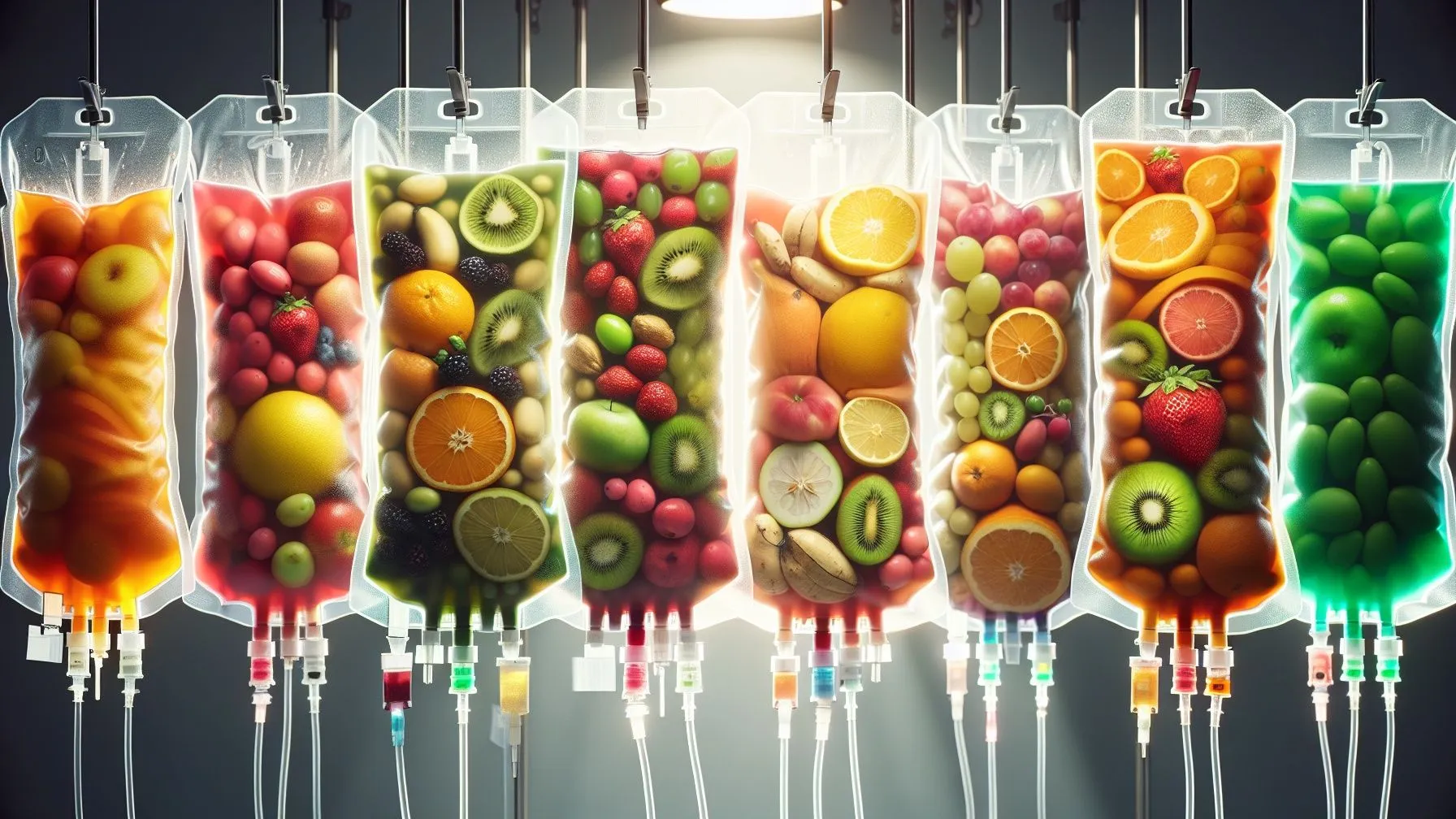
IV therapy involves administering vitamins, minerals, and other nutrients directly into the bloodstream through an intravenous line. This method allows for faster and more efficient absorption compared to oral supplements.
What is IV Therapy?
Essentially, IV therapy delivers hydration, vitamins, and other beneficial compounds directly to the body, bypassing the digestive system. This method is often used in various clinical settings, including hydration therapy for athletes, treatment for illnesses, and even beauty treatments.
The Process of IV Therapy
The process typically starts with an assessment by a medical professional who will determine the appropriate blend of nutrients based on individual needs. During the procedure:
- A healthcare provider will insert an IV catheter into a vein, usually in the arm.
- A sterile solution containing the chosen nutrients is slowly administered.
- The process generally lasts between 30 minutes to an hour, depending on the treatment.
Patients are monitored throughout to ensure safety and comfort.
The Connection Between IV Therapy and Seasonal Affective Disorder
Research suggests that IV therapy might have a role in alleviating symptoms of Seasonal Affective Disorder through nutrient replenishment and hydration.
How IV Therapy Can Alleviate Symptoms
Some patients report feeling more energized and mentally clear after IV therapy sessions. This feeling might be attributed to:
- Improved hydration, which can enhance overall energy levels.
- Direct infusion of crucial vitamins and minerals that may have been lacking.
- Potential positive effects on mood-stabilizing neurotransmitters.
As a result, patients could experience a reduction in the severity of SAD symptoms.
The Role of Vitamins and Nutrients
Certain vitamins and minerals play critical roles in brain health and mood regulation. Key players may include:
- Vitamin D: Often deficient in those with SAD, crucial for mood regulation.
- Vitamin B12: Important for neurological function and mental clarity.
- Magnesium: Linked to improved mood and anxiety reduction.
Through IV therapy, replenishing these nutrients can support emotional well-being, potentially helping combat the effects of SAD.
Potential Risks and Side Effects of IV Therapy
While IV therapy can offer benefits, it’s essential to be aware of potential risks and side effects.
Common Side Effects
Most people tolerate IV therapy well; however, some may experience mild side effects, including:
- Bruising or discomfort at the injection site
- Headaches
- Nausea
- Fatigue
If any severe reactions occur, it’s vital to seek immediate medical attention.
Who Should Avoid IV Therapy?
Certain individuals should be cautious with IV therapy, such as those with:
- Severe allergies to specific nutrients
- Heart or kidney disease, which may complicate fluid intake
- Certain metabolic disorders
Consulting with a healthcare provider before undergoing IV therapy is crucial, especially if there are pre-existing health conditions.
Other Treatment Options for Seasonal Affective Disorder
IV therapy is just one of several treatment modalities available for managing SAD. Exploring other options may also be beneficial.
Light Therapy and Its Benefits
Light therapy involves exposure to a lightbox that mimics natural sunlight. Research has shown it can:
- Help regulate circadian rhythms
- Increase serotonin production, potentially improving mood
- Be a first-line treatment for many experiencing SAD
Many find this therapy to be an effective adjunct or alternative to IV treatment.
Medication and Psychotherapy
Antidepressant medications, particularly selective serotonin reuptake inhibitors (SSRIs), may be prescribed for SAD. Additionally, psychotherapy, including cognitive behavioral therapy (CBT), can also effectively treat the disorder.
By combining these treatments with IV therapy, patients may achieve a comprehensive approach to managing their symptoms and improving their quality of life.
Ultimately, individuals experiencing seasonal depressive symptoms should consult with a healthcare provider to determine the best course of action tailored to their needs.