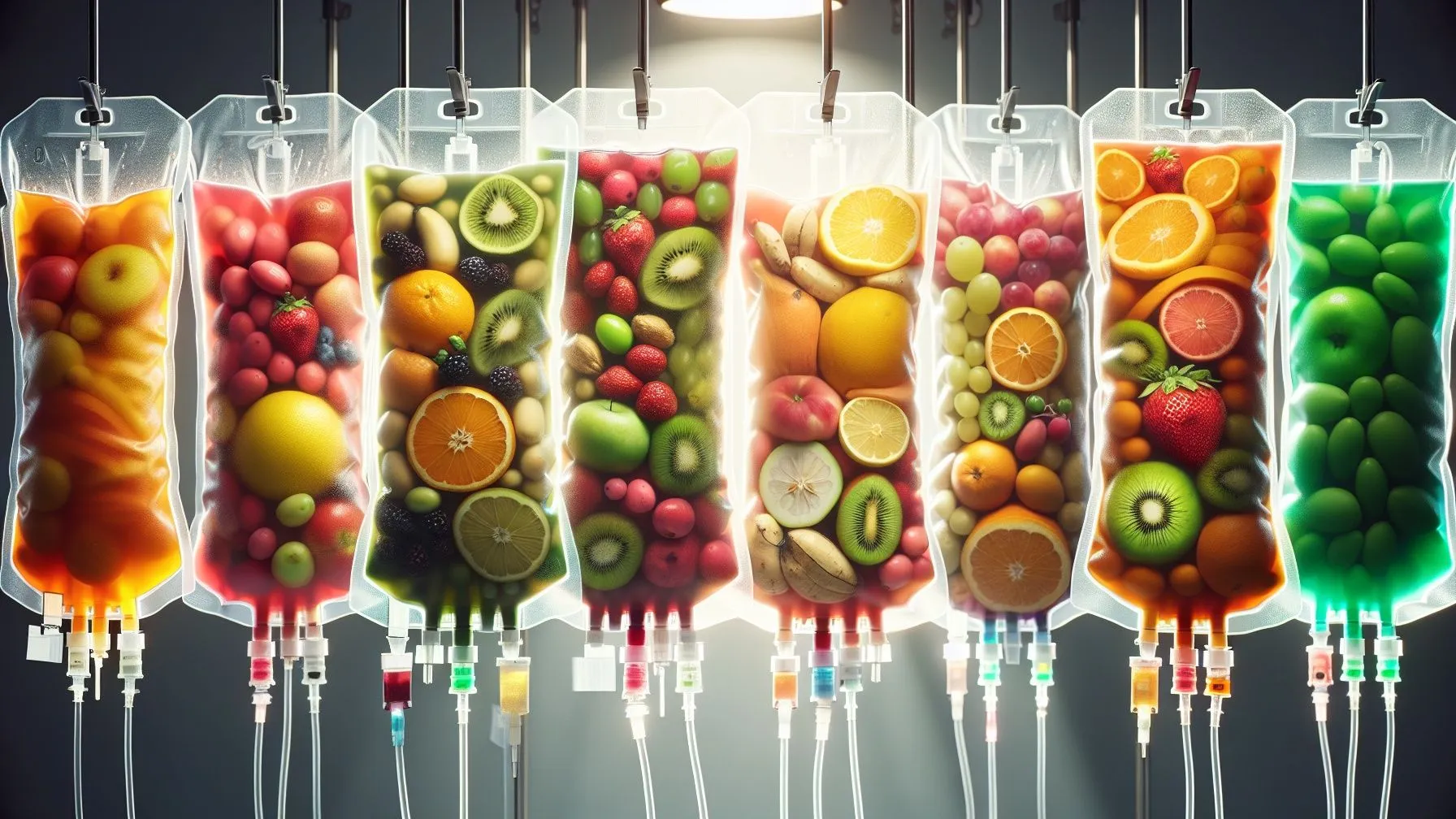
How Antioxidants in IV Therapy Shield Your Body from Free Radical DamageIn recent years, the idea of using intravenous (IV) therapy to provide essential nutrients has gained popularity. Among…In recent years, the idea of using intravenous (IV) therapy to provide essential nutrients has gained popularity. Among…In recent years, the idea of using intravenous (IV) therapy to provide essential nutrients has gained popularity. Among…In recent years, the idea of using intravenous (IV) therapy to provide essential nutrients has gained popularity. Among…In recent years, the idea of using intravenous (IV) therapy to provide essential nutrients has gained popularity. Among…In recent years, the idea of using intravenous (IV) therapy to provide essential nutrients has gained popularity. Among…In recent years, the idea of using intravenous (IV) therapy to provide essential nutrients has gained popularity. Among…In recent years, the idea of using intravenous (IV) therapy to provide essential nutrients has gained popularity. Among…In recent years, the idea of using intravenous (IV) therapy to provide essential nutrients has gained popularity. Among…In recent years, the idea of using intravenous (IV) therapy to provide essential nutrients has gained popularity. Among…In recent years, the idea of using intravenous (IV) therapy to provide essential nutrients has gained popularity. Among…In recent years, the idea of using intravenous (IV) therapy to provide essential nutrients has gained popularity. Among…In recent years, the idea of using intravenous (IV) therapy to provide essential nutrients has gained popularity. Among…
Share
How Antioxidants in IV Therapy Shield Your Body from Free Radical Damage
In recent years, the idea of using intravenous (IV) therapy to provide essential nutrients has gained popularity. Among these nutrients, antioxidants are particularly noteworthy for their role in combating free radical damage. This article will explore the interaction between free radicals and antioxidants, the basics of IV therapy, and how this treatment can be a game-changer for health enthusiasts.
Understanding Free Radicals and Their Impact on the Body
The Nature of Free Radicals
Free radicals are unstable molecules that lack an electron. They can damage cells, proteins, and even DNA by stealing electrons from other molecules, creating a chain reaction of cellular damage. These rogue molecules are a byproduct of various metabolic processes in the body and can also be introduced from external sources such as pollution, UV radiation, and smoking. The body produces free radicals during normal cellular respiration, but factors like diet, stress, and environmental toxins can exacerbate their production.
In conclusion, free radicals are everywhere, constantly produced in the body and bombarding us from our environment. Their existence is normal, but an excess can lead to significant harm. Interestingly, not all free radicals are harmful; some play essential roles in immune function and cellular signaling. The challenge lies in maintaining a balance between free radicals and antioxidants, which are molecules that can donate electrons to stabilize free radicals without becoming destabilized themselves.
How Free Radicals Affect Your Health
The effects of free radicals on health are profound. When they overwhelm the body’s natural defense mechanisms, they can lead to oxidative stress, which is associated with numerous chronic conditions. These may include:
- Cancers
- Cardiovascular diseases
- Neurodegenerative disorders
- Inflammation
Furthermore, oxidative stress accelerates the aging process, making our skin appear dull and gray. This dual impact of free radicals emphasizes the importance of understanding how to protect ourselves against their adverse effects.
Antioxidants, which can be found in a variety of fruits and vegetables, play a crucial role in neutralizing free radicals.
Vitamins C and E, along with other phytochemicals, are particularly effective in combating oxidative stress. Incorporating a diet rich in these nutrients can help bolster the body’s defenses, potentially reducing the risk of chronic diseases associated with free radical damage.
Moreover, lifestyle choices significantly influence the levels of free radicals in the body. Regular physical activity can enhance the body’s antioxidant defenses, while stress management techniques, such as mindfulness and meditation, may also help reduce oxidative stress. Understanding the sources of free radicals and adopting a proactive approach to health can empower individuals to make informed choices that promote longevity and well-being.
The Role of Antioxidants in Counteracting Free Radicals
What are Antioxidants?
Antioxidants are compounds that neutralize free radicals by donating an electron without becoming unstable themselves. They play a vital role in the body’s defense system, maintaining a delicate balance between oxidative agents and antioxidant reserves.
Some common antioxidants include vitamins C and E, beta-carotene, and selenium. They can be found in various foods, especially fruits and vegetables, and they are crucial for promoting overall health.
The Mechanism of Antioxidants Against Free Radicals
Antioxidants work through several mechanisms. By donating electrons, they stabilize free radicals, preventing them from causing cellular damage. Additionally, certain antioxidants can help repair damaged cells and reduce inflammation, contributing to better health and well-being.
Furthermore, the synergistic effect of various antioxidants enhances their efficacy, illustrating the importance of a balanced diet rich in these protective compounds.
Introduction to IV Therapy
The Basics of IV Therapy
IV therapy involves administering nutrients and medications directly into the bloodstream through a catheter. This method allows for immediate delivery and absorption, bypassing the digestive system and making it an efficient way to supply the body with vital nutrients.
Typically, IV therapy is utilized for hydration, delivering vitamins, minerals, and electrolytes effectively. Its unique approach helps in providing much-needed support during illness, fatigue, or recovery after a strenuous workout.
Benefits and Risks of IV Therapy
While IV therapy boasts an array of benefits, such as rapid nutrient delivery, it is essential to be mindful of potential risks. Some advantages include:
- Quick and efficient absorption of nutrients and medications
- Customizable treatments tailored to individual health needs
- Increased energy and improved mood
However, risks may include allergic reactions, infection at the injection site, or vein irritation. Therefore, it’s crucial to consult with a qualified healthcare provider before starting any IV therapy regimen.
The Integration of Antioxidants in IV Therapy
The Process of Infusing Antioxidants in IV Therapy
The infusion of antioxidants into IV therapy is a systematic process. First, a healthcare professional assesses the patient’s needs and health status. Based on this evaluation, a tailored blend of antioxidants can be prepared. The actual infusion involves inserting an IV line, allowing the nutrients to flow directly into the bloodstream.
This method ensures that the antioxidants reach their target sites quickly, maximizing their beneficial effects on the body, providing a rapid defense against free radical damage.
Types of Antioxidants Used in IV Therapy
Many different antioxidants can be included in IV therapy, including:
- Vitamin C: Known for its immune-boosting properties.
- Glutathione: A powerful antioxidant that supports detoxification.
- Alpha-lipoic acid: Beneficial for reducing inflammation and oxidative stress.
The selection of antioxidants depends on the individual’s health condition, with many practitioners customizing mixtures for optimal therapeutic results.
The Benefits of Antioxidant IV Therapy for Your Body
Immediate Effects of Antioxidant IV Therapy
Patients often experience a quick reboot in energy levels and an enhanced mood after receiving antioxidant IV therapy. Many report feeling more rejuvenated and mentally clearer.
Additionally, this therapy may help in alleviating symptoms of fatigue and stress, providing immediate relief and a sense of well-being.
Long-Term Benefits of Antioxidant IV Therapy
Beyond immediate effects, regular sessions of antioxidant IV therapy can contribute to long-term health improvements. Research suggests that consistent antioxidant intake diminishes the risk of chronic diseases, fortifies the immune system, and promotes overall longevity.
Moreover, regular antioxidant therapy can support skin health, reduce signs of aging, and even improve the body’s resilience against environmental stressors. In essence, it’s a proactive approach to maintaining health and vitality in a constantly demanding world.
In summary, the fusion of antioxidants and IV therapy presents a promising solution for countering free radical damage. By understanding these elements, individuals can take significant steps toward preserving their health and well-being.