How Do You Become Dehydrated?
Share
How Do You Become Dehydrated?
Dehydration occurs when your body loses more fluids than it takes in. This can happen due to a variety of reasons, ranging from physical activity to environmental factors. Understanding dehydration and its causes is crucial to preventing this condition and maintaining optimal health.
Understanding Dehydration
To fully grasp dehydration, it’s important to understand the role of water in the body. Water is essential for numerous bodily functions, including temperature regulation, digestion, and nutrient absorption. It helps to transport nutrients and oxygen, lubricates joints, and removes waste products.
Dehydration occurs when the body doesn’t have enough water to perform these vital functions. This can lead to various symptoms and health issues if left untreated.
The Role of Water in the Body
Water makes up a significant portion of our bodies, accounting for approximately 60% of our total body weight. It is present in our cells, tissues, and organs, and is crucial for their proper functioning.
Water serves as a solvent, enabling chemical reactions to occur within the body. It aids in the digestion and absorption of food, helps maintain blood volume and pressure, and regulates body temperature through sweat production and evaporation.
Furthermore, water plays a key role in maintaining the body’s pH balance, which is essential for proper cellular function. It also acts as a shock absorber for the brain and spinal cord, protecting them from impact.
What is Dehydration?
Dehydration is a condition that arises when there is an inadequate amount of water in the body. This can occur when the body loses more water than it takes in, or when fluid intake is insufficient.
Mild dehydration can often be resolved by drinking water or other fluids. However, severe dehydration requires immediate medical attention, as it can be life-threatening.
It’s important to note that dehydration can affect people of all ages, but certain groups are more vulnerable, such as infants, older adults, and athletes. Infants have a higher percentage of water in their bodies, so they are more susceptible to dehydration if they lose fluids through vomiting or diarrhea.
Causes of Dehydration
Dehydration can be caused by various factors, including physical activity, illness, and environmental conditions. Understanding these causes can help us take proactive measures to prevent dehydration and maintain optimal hydration levels.
Physical Activity and Dehydration
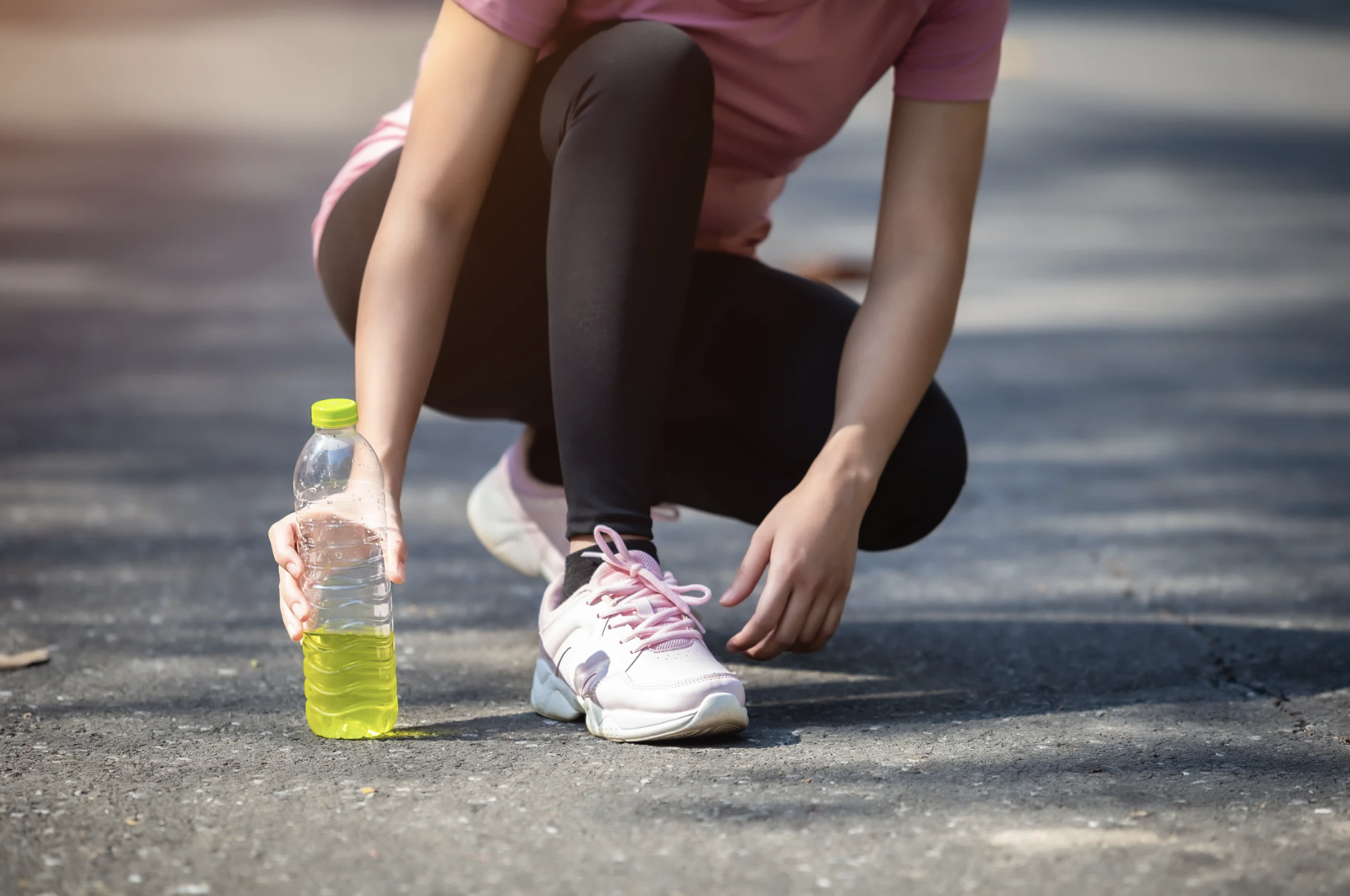
Engaging in physical activities, especially in hot weather, can lead to dehydration. When we exercise, our bodies regulate temperature by sweating. However, excessive sweating without proper fluid intake can result in fluid loss and dehydration.
It’s important to consume fluids before, during, and after exercise to replenish the water lost through sweating and prevent dehydration. Water, sports drinks, and electrolyte-rich beverages can help restore the body’s fluid balance and support optimal performance.
Illness and Dehydration
Illnesses that involve fever, vomiting, or diarrhea can also cause dehydration. These conditions increase fluid loss from the body and can quickly lead to dehydration if fluid intake is not maintained.
If you’re experiencing an illness accompanied by these symptoms, it’s essential to consume adequate fluids and consult a healthcare professional if necessary. They may recommend oral rehydration solutions to replenish lost electrolytes and fluids, aiding in the recovery process.
Environmental Factors Contributing to Dehydration
Environmental factors, such as hot and dry climates, also contribute to dehydration. In these conditions, the body loses water more rapidly through sweating, leading to increased fluid requirements.
When exposed to high temperatures or dry environments, it’s crucial to drink plenty of fluids and stay hydrated. Avoiding excessive sun exposure and seeking shade can also help prevent dehydration and minimize the risk of heat-related illnesses.
Moreover, it’s worth noting that certain medications, such as diuretics, can also contribute to dehydration. These medications increase urine production, leading to increased fluid loss. If you’re taking any medications, it’s important to discuss their potential effects on hydration with your healthcare provider.
By understanding the causes of dehydration and taking appropriate preventive measures, we can ensure that our bodies remain properly hydrated, allowing us to function optimally and maintain overall well-being.
Symptoms of Dehydration
Recognizing the symptoms of dehydration is essential for prompt intervention. The signs can vary depending on the severity of the condition.
Dehydration occurs when the body loses more fluids than it takes in, disrupting normal bodily functions. It can be caused by various factors, including excessive sweating, vomiting, diarrhea, or not drinking enough fluids.
Early Signs of Dehydration
In its early stages, dehydration may cause symptoms such as increased thirst, dry mouth, fatigue, dizziness, and dark-colored urine. These signs indicate that the body is beginning to experience a water deficit.
If you notice these signs, it’s important to consume fluids to prevent further dehydration. Sipping water throughout the day and consuming hydrating foods, such as fruits and vegetables, can help maintain adequate hydration levels.
Additionally, monitoring your fluid intake by keeping track of the number of glasses of water you drink daily can help you ensure you are meeting your body’s hydration needs.
Severe Dehydration Symptoms
If dehydration worsens, it can lead to more severe symptoms, including rapid heartbeat, confusion, irritability, sunken eyes, and lack of urination. Severe dehydration requires immediate medical attention, as it can lead to organ failure and other life-threatening complications.
In such cases, intravenous (IV) fluids may be necessary to restore hydration levels quickly and safely.
It’s crucial to be aware of the symptoms of dehydration and take proactive steps to prevent it, especially during hot weather or when engaging in strenuous physical activities. Maintaining proper hydration is vital for overall health and well-being.
The Effects of Dehydration on the Body
Dehydration can have both short-term and long-term effects on the body, highlighting the importance of maintaining proper hydration levels.
Water is essential for the proper functioning of almost every system in the body. When we become dehydrated, our cells cannot function optimally, leading to a cascade of negative effects throughout the body.
Short-term Effects
In the short term, dehydration can lead to symptoms such as fatigue, muscle weakness, dry skin, headaches, and decreased cognitive function. It can impair physical and mental performance, making it difficult to carry out daily activities effectively.
Furthermore, dehydration can disrupt the body’s electrolyte balance, leading to muscle cramps and dizziness. Electrolytes such as sodium, potassium, and chloride are crucial for nerve function and muscle contractions, so imbalances can have significant impacts on overall health.
Long-term Effects
When dehydration becomes chronic or goes untreated, it can have more severe and long-lasting consequences. Prolonged dehydration can affect kidney function, contribute to urinary tract infections, and increase the risk of kidney stones.
Additionally, chronic dehydration can have detrimental effects on the digestive system, leading to issues such as constipation and an increased risk of developing gastrointestinal disorders. The lack of adequate hydration can slow down the digestive process and lead to discomfort and bloating.
It can also impair cardiovascular health and lead to complications such as low blood pressure and an increased risk of heart disease. Proper hydration is essential for maintaining blood volume and ensuring that the heart can effectively pump blood to the rest of the body. Without adequate hydration, the heart has to work harder, potentially leading to long-term damage.
Preventing Dehydration
Prevention is key when it comes to dehydration. By adopting healthy hydration habits, you can reduce the risk of this condition and its associated complications.
Dehydration occurs when your body loses more fluids than it takes in. This can happen due to various causes, such as excessive sweating, vomiting, diarrhea, or simply not drinking enough fluids. It’s important to recognize the symptoms of dehydration, which include thirst, dry mouth, fatigue, dizziness, and dark-colored urine.
Daily Water Intake Recommendations
It is generally recommended to drink at least eight glasses of water per day or roughly two liters. However, individual fluid requirements may vary based on factors such as age, gender, activity level, and climate.
When determining your daily water intake, it’s essential to listen to your body’s thirst signals. Thirst is your body’s way of telling you that it needs more fluids. Make it a habit to drink fluids throughout the day to ensure you’re adequately hydrated. Remember that fluids from other sources, such as fruits, vegetables, and soups, also contribute to your overall water intake.
Hydration for Athletes
Athletes and individuals engaging in prolonged or intense exercise should take extra precautions to prevent dehydration. They should hydrate before, during, and after physical activity, paying attention to the need for electrolyte replacement.
Electrolytes are minerals that help maintain the balance of fluids in your body. When you sweat, you lose electrolytes along with water. Sports drinks containing electrolytes such as sodium and potassium can help replenish these vital minerals lost through sweat. Additionally, monitoring fluid intake and body weight before and after exercise can provide valuable insights into hydration status.
Staying Hydrated in Hot Weather
Hot weather increases the risk of dehydration, so it’s crucial to take appropriate measures to stay hydrated when exposed to high temperatures.
When spending time outdoors in hot weather, it’s important to wear lightweight and breathable clothing that allows sweat to evaporate, keeping your body cooler. Seek shade when necessary to avoid prolonged exposure to direct sunlight. Remember to drink plenty of fluids, preferably water, to replace the fluids lost through sweat. It’s advisable to limit caffeinated and alcoholic beverages, as they can contribute to dehydration.
In addition to drinking fluids, consider consuming hydrating foods, such as watermelon and cucumber. These fruits have high water content and can contribute to your overall hydration. They also provide essential vitamins and minerals that support overall health.
In conclusion, dehydration can have various causes, ranging from physical activity to environmental factors. Recognizing the symptoms and understanding the effects of dehydration can help you take steps to prevent this condition. By staying hydrated and adopting healthy hydration habits, you can maintain optimal health and well-being.