How NAD+ IV Therapy Supports Anti-Aging and Cellular Health
Share
NAD+ IV therapy has gained popularity in recent years as an innovative approach to promoting anti-aging and enhancing cellular health. This therapy utilizes nicotinamide adenine dinucleotide, a coenzyme found in every living cell, to promote various biological processes. In this article, we will explore how NAD+ IV therapy works, its benefits, and potential risks.
Understanding NAD+ and Its Role in the Body
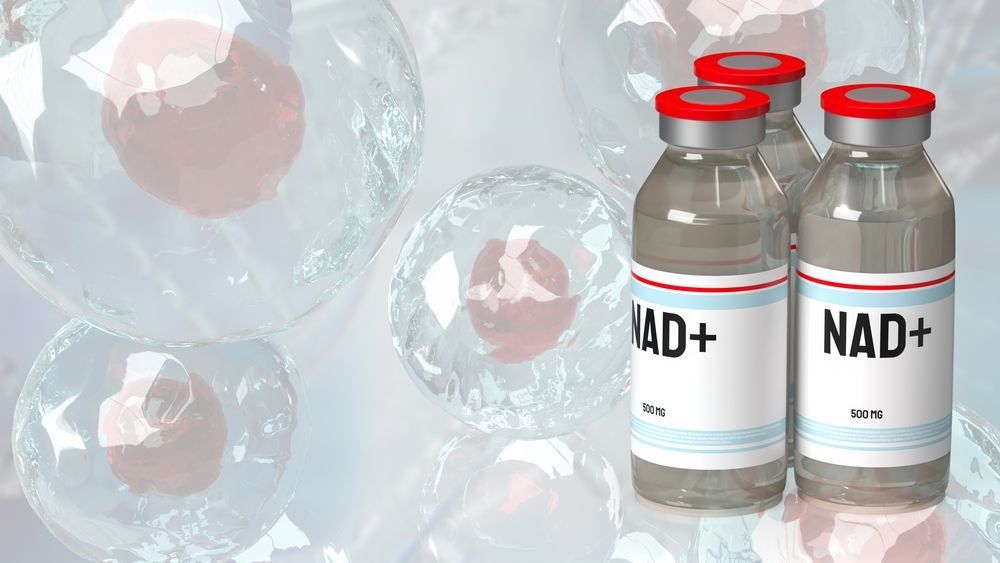
Nicotinamide adenine dinucleotide, or NAD+, plays a crucial role in the body’s cellular functions. It is involved in energy production, DNA repair, and regulating cellular metabolism. As we age, our natural levels of NAD+ decline, contributing to a variety of health issues and the aging process.
The Science Behind NAD+
NAD+ is essential for mitochondrial function, as it helps convert nutrients into energy. Mitochondria are often referred to as the powerhouses of the cell, and their efficiency is directly linked to the amount of NAD+ available. With lower levels of NAD+, mitochondrial function deteriorates, resulting in decreased energy levels and increased fatigue.
Additionally, NAD+ plays a key role in activating sirtuins, a family of proteins that help regulate cellular health and longevity. Sirtuins are involved in various processes, including inflammation regulation, metabolic health, and stress resistance.
The Importance of NAD+ for Cellular Health
Cellular health is paramount for overall well-being. NAD+ is vital for maintaining the health of our cells and ensuring they function optimally. By supporting DNA repair mechanisms, NAD+ helps protect against cellular damage caused by oxidative stress and environmental factors.
Moreover, maintaining adequate levels of NAD+ in the body can have significant implications for disease prevention. A decline in NAD+ has been associated with age-related diseases such as cardiovascular issues, neurodegenerative conditions, and metabolic disorders.
The Process of NAD+ IV Therapy
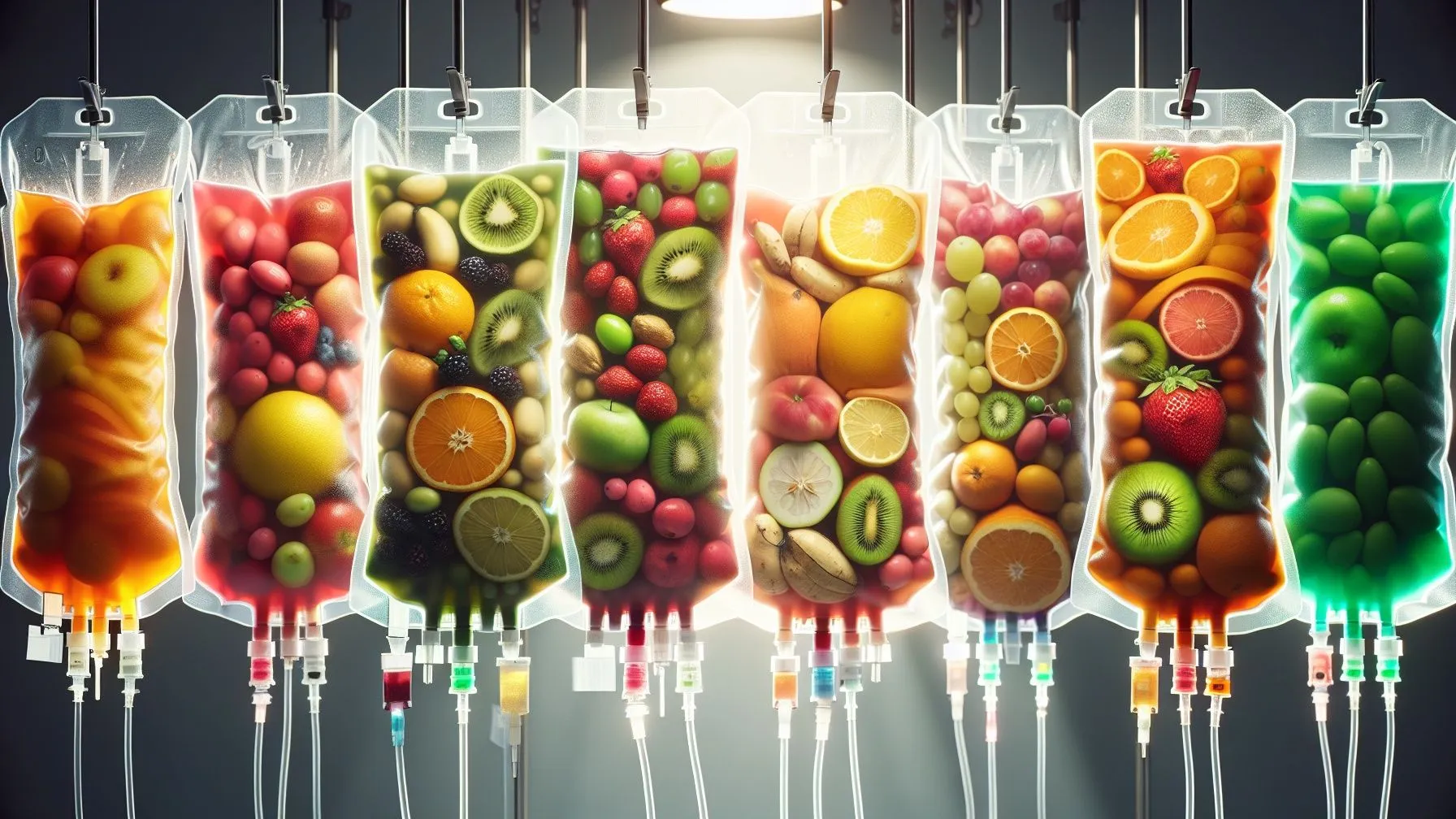
NAD+ IV therapy is a method of delivering high doses of NAD+ directly into the bloodstream. This approach enhances absorption and effectiveness compared to oral supplements, which can be limited by the digestive system.
The process typically begins with a consultation with a healthcare provider, who will review your medical history and discuss your goals. If NAD+ IV therapy is deemed appropriate, an IV will be set up to administer the treatment.
What to Expect During NAD+ IV Therapy
During the session, patients can expect to sit comfortably while the infusion takes place. The duration of the therapy can vary, but most sessions last between one to two hours. Many patients report experiencing increased relaxation and a sense of calm during the treatment.
Depending on individual needs, the healthcare provider may adjust the dosage and infusion rate to ensure a comfortable experience. Some facilities offer additional amenities, such as music or a quiet environment, to enhance relaxation during the process.
The Duration and Frequency of Therapy Sessions
The frequency of NAD+ IV therapy sessions will depend on individual health goals. Some individuals may benefit from initial sessions every week, while others might opt for maintenance treatments on a monthly or quarterly basis. It’s important to work with a qualified healthcare provider to determine the best approach for your needs.
As a part of an ongoing wellness regimen, NAD+ IV therapy can help students studying for exams, busy professionals managing stress, and anyone looking for overall improvement in their health.
The Connection Between NAD+ IV Therapy and Anti-Aging
NAD+ IV therapy has been linked to various anti-aging benefits due to its role in cellular repair and metabolic processes. By replenishing NAD+ levels, individuals may experience a slowing down of the aging process.
How NAD+ IV Therapy Slows Down Aging
One of the primary ways that NAD+ IV therapy combats aging is through increased energy production. Higher energy levels translate not only to improved physical performance but also to enhanced mental clarity and cognitive function. This rejuvenating effect can often lead to a more active lifestyle, which is vital for maintaining youthfulness.
Moreover, NAD+ supports DNA repair, which is fundamental in preventing cellular aging. As damage to our DNA accumulates over time, cellular function deteriorates, resulting in the aging appearance and related health decline. NAD+ helps mitigate this by ensuring cells can effectively repair themselves.
The Impact of NAD+ on Skin Health
Skin health is often one of the first areas to show signs of aging. NAD+ contributes to the skin’s youthful appearance by promoting hydration, elasticity, and cell turnover. Regular NAD+ IV therapy may result in clearer skin, reduced wrinkles, and an overall revitalized complexion.
Additionally, the antioxidant properties of NAD+ help combat free radicals, which can cause skin damage and premature aging. This makes NAD+ IV therapy an appealing option for those seeking to enhance their skincare routines.
The Health Benefits of NAD+ IV Therapy
Aside from its anti-aging benefits, NAD+ IV therapy offers a range of health benefits, making it an attractive option for many individuals seeking to improve their overall well-being.
Boosting Energy Levels and Metabolism
One of the immediate benefits of NAD+ IV therapy is its potential to significantly boost energy levels. Many patients report feelings of renewed vitality and motivation following treatment. This can be especially beneficial for athletes or individuals with demanding lifestyles who require high energy levels to perform optimally.
NAD+ also plays a crucial role in metabolism, enhancing the body’s ability to convert food into energy efficiently. By optimizing metabolic function, NAD+ IV therapy can aid in weight management and overall fitness.
Improving Brain Function and Mental Clarity
Many individuals experience cognitive decline as they age, but NAD+ IV therapy has shown promise in improving brain function. By supporting cellular energy production in the brain, NAD+ can enhance mental clarity, focus, and memory retention.
Some studies have indicated that increased NAD+ levels may also have neuroprotective effects, contributing to long-term brain health and potentially lowering the risk of neurodegenerative diseases.
Potential Side Effects and Risks of NAD+ IV Therapy
While NAD+ IV therapy is generally considered safe, it is essential for potential recipients to be aware of possible side effects and contraindications.
Common Side Effects of NAD+ IV Therapy
Some common side effects include mild discomfort at the injection site, transient nausea, or a feeling of warmth during the infusion. These effects are typically short-lived and resolve quickly once the infusion is complete. Staying well-hydrated before and after the treatment may help alleviate some of these discomforts.
In rare cases, individuals may experience allergic reactions or more severe complications. It is crucial to have a thorough consultation with a qualified healthcare professional to minimize risks.
Who Should Avoid NAD+ IV Therapy
Individuals with certain medical conditions, such as renal insufficiency or advanced cardiovascular diseases, should consult their healthcare provider before undergoing NAD+ IV therapy. Pregnant or breastfeeding women and those with specific allergies may also need to avoid this treatment.
Overall, it’s important to ensure that any treatment, including NAD+ IV therapy, is suitable for your health profile. Always seek guidance from a qualified medical practitioner before starting any new therapy.
In conclusion, NAD+ IV therapy offers a promising approach to enhance cellular health and slow down the aging process. By understanding its mechanism, benefits, and potential risks, individuals can make informed choices about incorporating this therapy into their health and wellness regimes.