Zinc and Vitamin D in IV Therapy: Essential Nutrients for Immune Support
Share
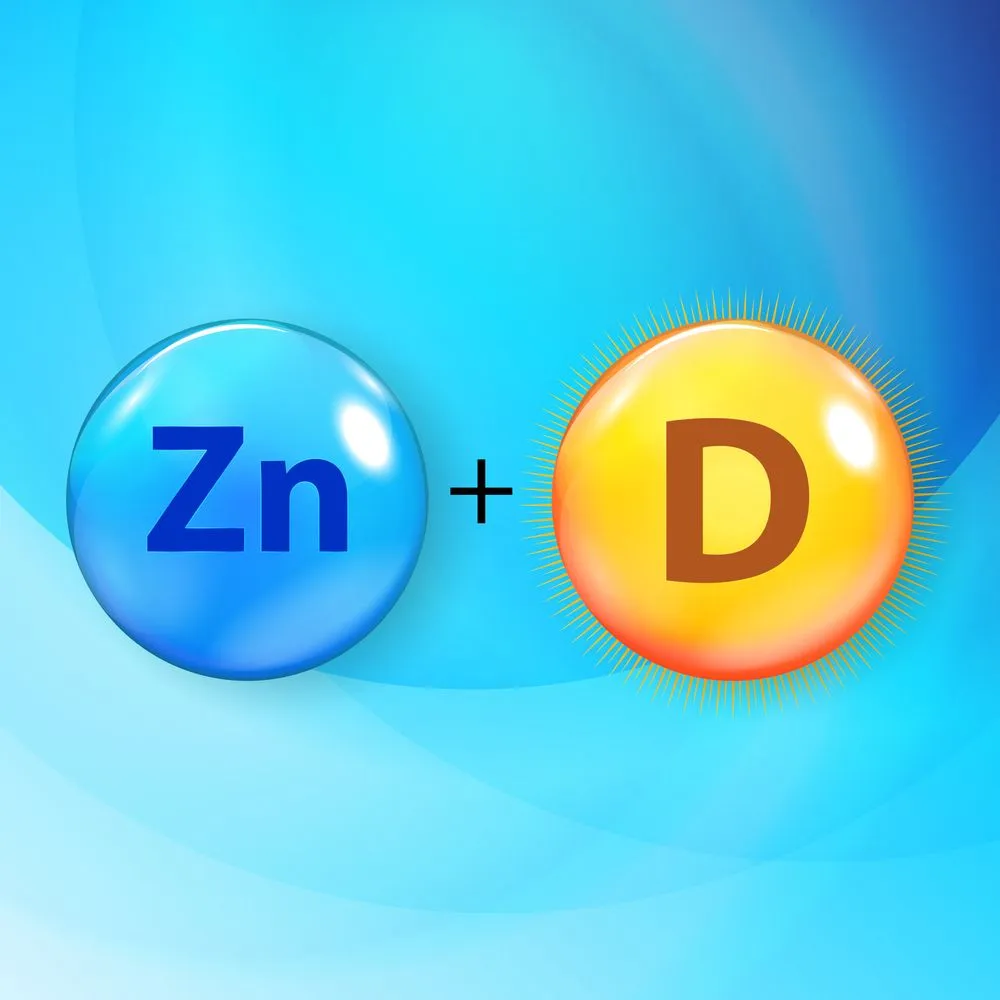
The immune system is the body’s defense mechanism against pathogens, and certain nutrients play a crucial role in maintaining its effectiveness. Among these essential nutrients, zinc and vitamin D are noteworthy for their significant impacts on immune health. Recent advances in intravenous (IV) therapy have made it possible to deliver these vital nutrients directly into the bloodstream, ensuring rapid absorption and immediate effects. This article explores the roles of zinc and vitamin D in the immune system, the science behind IV therapy, and who can benefit from these nutrient infusions.
Understanding the Role of Zinc in the Immune System
Biological Functions of Zinc
Zinc is a trace element that is essential for numerous biological functions. It contributes to the normal development and function of immune cells, including lymphocytes and macrophages. These immune cells are crucial for identifying and responding to pathogens. Zinc also plays a role in the enzyme activity required for DNA synthesis and cell division, processes that are vital during immune responses.
Moreover, zinc acts as an antioxidant, helping to protect cells from oxidative stress that can occur during immune responses. By stabilizing cell membranes and contributing to the integrity of the immune barrier, zinc is a foundational element in the body’s defense system.
Zinc Deficiency and Immune Health
A deficiency in zinc can have significant repercussions for immune health. Individuals with low zinc levels are more susceptible to infections, including respiratory illnesses and gastrointestinal infections. Symptoms of zinc deficiency can include delayed wound healing, hair loss, and a weakened immune response.
Long-term zinc deficiency not only compromises immune function but can also increase the severity of infections. Studies have shown that supplementing with zinc can shorten the duration of common colds and other viral infections, highlighting its importance as an immune-supporting nutrient.
The Importance of Vitamin D for Immune Support
How Vitamin D Supports the Immune System
Vitamin D, often referred to as the sunshine vitamin, is crucial for immune regulation. It acts like a hormone in the body and its receptors are found on various immune cells, such as T cells and B cells. When vitamin D binds to these receptors, it enhances the pathogen-fighting effects of monocytes and macrophages, white blood cells that engage with bacteria and viruses.
Additionally, vitamin D is important for producing antimicrobial peptides that provide a barrier against infections. Maintaining adequate vitamin D levels is essential for a robust immune response and can help prevent respiratory infections and autoimmune diseases.
Vitamin D Deficiency and Its Impact on Immunity
Vitamin D deficiency is widespread and can lead to increased susceptibility to infections and chronic diseases. Symptoms of deficiency may include fatigue, bone pain, muscle weakness, and cognitive impacts. The link between low vitamin D levels and increased risk of respiratory infections is particularly concerning, as this has been highlighted in various studies.
To counteract these risks, health professionals recommend regular screening of vitamin D levels, especially in individuals at higher risk of deficiency. Ensuring optimal vitamin D levels is critical for improving immune responses and overall health.
Combining Zinc and Vitamin D in IV Therapy
The Synergistic Effect of Zinc and Vitamin D
The combination of zinc and vitamin D in IV therapy provides a multifaceted approach to enhancing immune health. These nutrients work synergistically to bolster the immune response, improve cellular function, and enhance overall health. When administered together, they can significantly decrease the incidence and severity of infections.
This synergy is particularly beneficial for individuals suffering from chronic conditions or those recovering from illness, as both nutrients play distinct yet complementary roles in immune function.
Long-term studies indicate that patients who receive regular IV therapy with zinc and vitamin D not only report improved immunity but also experience enhanced overall wellness, including better energy levels and mood stability.
Who Can Benefit from Zinc and Vitamin D IV Therapy?
Individuals at Risk of Nutrient Deficiencies
Certain populations are particularly vulnerable to zinc and vitamin D deficiencies. These include older adults, individuals with chronic gastrointestinal diseases, and people with limited sun exposure. Moreover, those with malnutrition or specific dietary restrictions may also benefit significantly from IV therapy to correct these deficiencies.
Health care providers often recommend IV nutrient therapy for patients who exhibit signs of deficiency or are in high-risk categories, allowing for timely intervention to improve health outcomes.
Enhancing Immune Support with IV Therapy
In the context of a globally heightened awareness of immune health, the use of zinc and vitamin D IV therapy offers a proactive strategy. Whether utilized preventively or therapeutically, this nutrient-rich infusion can substantially enhance immune support. Individuals seeking to enhance their immunity, recover from illness, or address nutrient gaps should consider discussing this option with their healthcare provider.
In conclusion, both zinc and vitamin D play vital roles in maintaining a healthy immune system, and when combined in IV therapy, they can provide robust support for those at risk of nutrient deficiencies or looking to enhance their overall health.